Category: Marketing Strategy

  • The Momentum Engine: Why It’s Time to Rethink Your Funnel as a Flywheel

    The Momentum Engine: Why It’s Time to Rethink Your Funnel as a Flywheel

    The Old Funnel Is Leaking — Here’s Why

     sales funnel is a step-by-step model businesses use to guide people from first hearing about them to actually buying something. It usually looks like a triangle: wide at the top for creating awareness, and narrow at the bottom where a smaller number of people become paying customers. For decades, this simple visual has shaped how companies think about marketing, sales, and growth.

    But in 2025, that old model is showing its age. Customer acquisition costs have jumped by nearly 60% in the past five years. People now trust recommendations from friends, family, and real users far more than they trust a company’s own ads. Meanwhile, every time you close a sale, you’re forced to start from scratch again — rebuilding awareness, generating new leads, and pushing fresh prospects through the same funnel. It’s an exhausting cycle that never compounds.

    That’s not sustainable — it’s a treadmill. Businesses are pouring more money into ads only to move in place.

    Enter the Flywheel: a modern approach that replaces the stop-and-start cycle of the funnel with continuous momentum. Instead of losing energy after every sale, it stores and multiplies that energy. Each happy customer becomes fuel for the next — sharing reviews, referring friends, or coming back for more. The result? A self-sustaining growth engine that gets faster with every spin and more efficient with every delighted customer.

    From One-Way Sales to Ongoing Relationships

    Before diving deeper, think of a traditional sales funnel as a one-way path — businesses guide people step by step from discovering a product to finally buying. The flywheel, on the other hand, keeps that journey going in a loop, where satisfied customers return, spread the word, and bring others along for the ride.

    The funnel is about hunting — finding, chasing, and closing new leads. The flywheel is about harvesting — nurturing relationships so that every customer’s enthusiasm and trust power the next wave of growth. It’s about trading burnout for momentum.

    The Physics of Momentum

    Think of it like a merry-go-round — the first push takes effort, but once it’s spinning, it keeps going with less work. The same principle applies to your business. In engineering, a flywheel stores kinetic energy so it can keep running smoothly with less input over time. In marketing, the more customers you delight, the easier and cheaper it becomes to attract new ones.

    Your growth energy comes from three sources:

    • Attract: Share valuable insights, helpful content, and authentic stories that pull people toward you naturally.
    • Engage: Offer a frictionless experience that makes it easy for people to say yes and stay involved.

    Delight: Deliver service so good it turns your customers into promoters, fans, and advocates.

    HubSpot popularized this model for a reason — it works. When they stopped treating the sale as an endpoint, they saw growth accelerate through referrals and loyalty. Every satisfied user became a piece of marketing fuel, propelling the next customer forward. The more trust they built, the faster their flywheel spun.

    How Summit Cloud Spins Its Flywheel

    If you’ve never heard of a sales funnel before, think of it as a path — the flywheel is what happens when that path becomes a loop.

    If the funnel is a simple pipeline, the flywheel is more like a cycle of care — a way of keeping relationships in motion rather than resetting after each sale. Here’s what that looks like in practice:

    1. Build Momentum Step by Step

    To get things moving, you start small — by helping people discover your product and making it easy for them to find value early on.

    • Let people try it: Offer simple ways for someone to explore what you do without pressure or barriers.
    • Support success: Help new users feel confident and capable. When they get results, they naturally talk about it.

    Encourage sharing: Make it easy for customers to recommend you — not through gimmicks, but by giving them something worth sharing.

    2. Remove Obstacles

    Every unnecessary form, slow reply, or confusing message can make someone give up. The goal is to make each step feel natural and supportive.

    • Inside the company: Teams should share information and communicate clearly so customers don’t feel lost between departments.
    • Outside the company: Keep everything simple and clear — from pricing to support responses. When doing business with you feels easy, people stick around.

    3. Pay Attention to What Keeps People Coming Back

    Healthy growth is measured by trust and connection, not just clicks and conversions. Instead of complicated metrics, pay attention to:

    • How quickly people get help when they need it.
    • How often customers return on their own.
    • How many people recommend you to others.

    The easier and more pleasant you make your customers’ experience, the more naturally your business keeps moving forward.
    The flywheel isn’t just a theory — it’s a roadmap for how to build stronger relationships and more efficient growth. Here’s how to start:

    1. Audit and Align: Map every touchpoint. Identify friction. Fix what slows customers down or frustrates your teams.
    2. Fuel the Wheel: Create content that educates, not just advertises. Focus on transparency, expertise, and value.
    3. Delight Out Loud: Treat the post-sale experience as your loudest marketing channel. Share success stories, feature real customers, and celebrate loyalty.
    4. Automate Feedback: Use AI to turn customer insights into smarter personalization, faster response times, and a better overall experience.
    5. Empower Teams: Make every department a stakeholder in customer happiness. When everyone shares the same goal, momentum becomes inevitable.

    The Bottom Line

    In simple terms, the flywheel is about creating happy customers who keep your business running. Instead of focusing on making a single sale, you focus on keeping people so satisfied they come back — and bring their friends. It means treating every customer interaction as a chance to build trust, reduce effort, and make their lives easier. The better their experience, the faster your business grows.

    Funnels help you find customers. Flywheels help you keep them — and let them find others for you. For Summit Cloud and forward-thinking brands, this isn’t just a new model; it’s a mindset revolution. It’s how sustainable, trustworthy businesses grow in a world where loyalty and word-of-mouth matter more than ad spend.

    Growth isn’t about pushing harder — it’s about spinning smarter. Build momentum, reduce friction, and your customers will do the rest.

    Ready to build your momentum engine? The future of marketing doesn’t flow downward — it spins endlessly.

  • How to Market Your Business in 2026

    How to Market Your Business in 2026

    2025 flipped the marketing world on its head. Between AI-powered automation, constant platform changes, and consumers craving more authenticity than ever, the old playbook doesn’t work anymore. Brands that once relied on clever ads or trending content now have to dig deeper, building their strategy around what people actually trust: transparency, connection, and clarity.

    The 2026 Marketing Reset

    2026 is not about chasing every new trend. It’s about doubling down on what works—clear communication, consistent storytelling, and data-informed decisions. The businesses that thrive this year will be the ones who master the fundamentals, use AI smartly, and market like real humans again. Think of 2026 as a reset year: less noise, more alignment, and a stronger emphasis on the long game.

    If your business survived the chaos of 2025, you’re already more adaptable than most. Now it’s time to focus that energy on building systems that make growth repeatable and sustainable.

    The State of Digital Marketing in 2026

    AI Is Everywhere

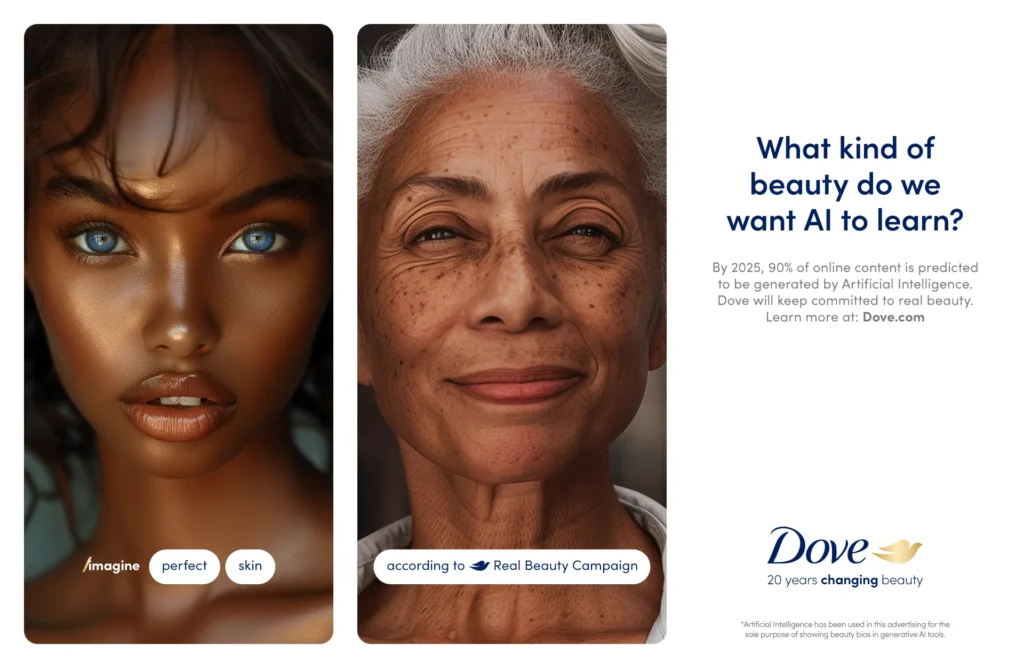
    Dove’s “The Code” campaign challenges the rise of AI-generated beauty standards, spotlighting real women and committing to never use AI to depict them—reminding brands that authenticity will always outshine automation.

    Every business now has access to AI tools for design, copywriting, analytics, and automation. What separates great brands from average ones is how strategically they apply these tools. AI can streamline your workflow, but it can’t replace intuition, creativity, or genuine customer understanding.

    Attention Is Fractured

    Social media platforms continue to splinter into micro-communities and private networks. Traditional ads don’t grab people the way they used to. Instead, audiences are finding brands through smaller influencers, niche newsletters, and recommendation loops. If your content doesn’t feel like part of the conversation, it gets skipped.

    Trust Is the New Currency

    Between deepfakes, misinformation, and an oversaturated market, consumers are cautious. They want to know who you are, where your products come from, and why your brand exists. Real photos, genuine reviews, and transparent messaging are what convert browsers into buyers. The brands that build human trust will own the digital future.

    Key takeaway: Automation may save time, but authenticity builds empires.

    Patagonia’s “Don’t Buy This” evolution proves that purpose-driven marketing isn’t a slogan—it’s a system. By prioritizing repair, reuse, and environmental activism over new product sales, Patagonia shows what happens when a brand’s values are its strategy.

    The 5 Core Pillars of Marketing in 2026

    1. Build Brand Trust Like It’s Your Product

    Trust isn’t just a campaign—it’s your business model. Customers in 2026 are immune to polished marketing jargon; they respond to personality and proof. Show the behind-the-scenes moments that make your business real: the team packing boxes, your design process, even your mistakes and lessons learned. Let your audience in on the journey.

    If you’re a service provider, share your expertise freely. Write thoughtful blog posts, share industry insights, and host short educational videos. If you sell products, invest in high-quality, realistic photography and honest copywriting that explains what makes your product better. The more human and transparent your brand feels, the more magnetic it becomes.

    2. Rethink Your Funnel as a Flywheel

    The old marketing funnel—awareness, consideration, purchase—is officially outdated. In 2026, the smartest marketers treat customers like part of a continuous loop. Every purchase feeds back into awareness, retention, and advocacy. This is your flywheel.

    Automate your follow-ups. Build email flows that educate and delight. Send thank-you messages that feel personal. Create loyalty programs that reward engagement, not just spending. When people feel appreciated, they come back—and bring friends.

    Your flywheel isn’t powered by ads; it’s powered by trust, storytelling, and service.

    3. Optimize for Conversion, Not Just Traffic

    More traffic doesn’t mean more sales—better conversion does. The average e-commerce conversion rate now hovers around 4.5%, and your goal should be to exceed it. That starts with clarity: every page on your site should make it obvious who you are, what you offer, and why you’re worth choosing.

    Invest in better visuals. Clean design, cohesive color palettes, and strong photography immediately increase perceived trust. Audit your website speed and mobile experience—small performance tweaks can boost conversions by double digits. The easier and more enjoyable it is to buy from you, the less you’ll rely on huge ad budgets.

    4. Go Omni-Channel Intelligently

    Gone are the days of depending on a single platform. In 2026, smart businesses diversify—not by spreading themselves thin, but by connecting their ecosystems. Your audience might discover you on TikTok, compare you on Google, and buy from you through your site or Etsy. Your job is to make that path seamless.

    Use TikTok and YouTube for storytelling and education. Use Google Ads or Pinterest for conversion intent. Collaborate with creators who already have your audience’s trust. Participate in your community—whether online or local—to make your brand part of real conversations.

    The goal isn’t to be everywhere; it’s to be consistent everywhere that matters.

    Liquid Death’s “Thirst Murderer” ecosystem proves that brand loyalty isn’t bought—it’s built. By creating an absurd, culture-driven universe across music, skating, and social media, they’ve turned water into a lifestyle—and outsmarted the algorithm with pure identity.

    5. Create Sustainable Marketing Systems

    A healthy business runs on repeatable systems, not constant hustle. Sustainability means designing processes that conserve your time, energy, and money. Use automation tools to handle repetitive tasks like follow-up emails, lead scoring, and campaign reporting. Build dashboards that track what matters—traffic, conversions, customer lifetime value—so you always know where to focus.

    Equally important is emotional sustainability. Marketing burnout is real. Create a content cadence you can maintain year-round. Repurpose what works. Build a library of evergreen assets (like videos, templates, and guides) that can be reused in future campaigns. Growth should feel steady, not frantic.

    Tactical Trends to Watch

    • AI + Automation: Expect more predictive analytics, real-time creative optimization, and voice-assisted marketing tools. Learn to prompt and train your AI with your brand’s unique tone and data—it’ll make your automations feel more human.
    • SEO & AI Search: As Google and AI search evolve, success will hinge on intent and expertise. Write for real questions, not just keywords. Prioritize clarity, depth, and consistent publishing.
    • Creator Partnerships: Niche creators and micro-influencers continue to dominate. Their audiences are smaller but more loyal. Authenticity converts better than reach.
    • Video & UGC: Video remains the top-performing content type. Embrace lo-fi, behind-the-scenes footage and customer-generated content. Don’t overproduce—just communicate.
    • Privacy-First Analytics: With tighter data regulations, first-party data collection through CRMs, email, and loyalty programs will become non-negotiable. Customers notice when brands respect their privacy—and reward it.

    Bonus Trend: Community Marketing
    Forums, newsletters, Discord groups, and local collaborations are making a comeback. People crave belonging. Your brand can give it to them.

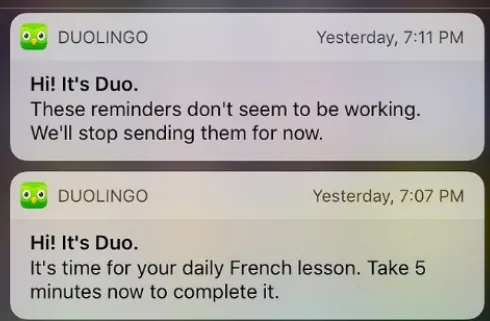
    Duolingo’s “Unhinged Mascot” era turned a language app into a cultural icon. By giving its owl a chaotic, human-like personality, Duolingo built a content engine that thrives on humor, consistency, and community—proof that authenticity can be weird and wildly effective.

    A Simple 2026 Marketing Plan Framework

    Think of this as your roadmap to consistency:

    1. Clarify Your Brand Story and Voice

      Define what you stand for, your tone, and your visual identity. Document it so your team stays consistent.

    2. Audit Your Foundation

      Review your website, SEO, email systems, and CRM. Identify gaps and prioritize improvements that directly affect conversion or trust.

    3. Focus on 2–3 Primary Channels

      Choose the marketing platforms that align most closely with your audience. Double down on what performs best rather than chasing every trend.

    4. Step 4: Set Measurable Quarterly Goals

      Track metrics such as traffic, conversions, average order value, retention, or reviews. Treat data as your accountability partner.

    5. Build Your Content Engine

      Plan monthly campaigns, educational content, and automated flows that nurture relationships even when you’re not online.

    Pro tip: Document everything. Treat your marketing like a living system that learns and improves over time. When you treat your strategy as a process, not a one-off, results compound.

    The Future Belongs to Real Brands

    In 2026, marketing success isn’t about who shouts the loudest—it’s about who connects the deepest. The brands that win will be those that know who they are, what they stand for, and how they serve. They’ll combine the precision of data with the warmth of human creativity.

    If your brand can make someone feel something genuine—whether it’s trust, excitement, or belonging—you’ve already outpaced the algorithm.

    At SummitCloud, we help you build marketing systems that reflect your values and scale your growth, combining creative clarity with smart automation. Because the future of marketing isn’t robotic—it’s radically human.