2025 flipped the marketing world on its head. Between AI-powered automation, constant platform changes, and consumers craving more authenticity than ever, the old playbook doesn’t work anymore. Brands that once relied on clever ads or trending content now have to dig deeper, building their strategy around what people actually trust: transparency, connection, and clarity.
The 2026 Marketing Reset
2026 is not about chasing every new trend. It’s about doubling down on what works—clear communication, consistent storytelling, and data-informed decisions. The businesses that thrive this year will be the ones who master the fundamentals, use AI smartly, and market like real humans again. Think of 2026 as a reset year: less noise, more alignment, and a stronger emphasis on the long game.
If your business survived the chaos of 2025, you’re already more adaptable than most. Now it’s time to focus that energy on building systems that make growth repeatable and sustainable.
The State of Digital Marketing in 2026
AI Is Everywhere
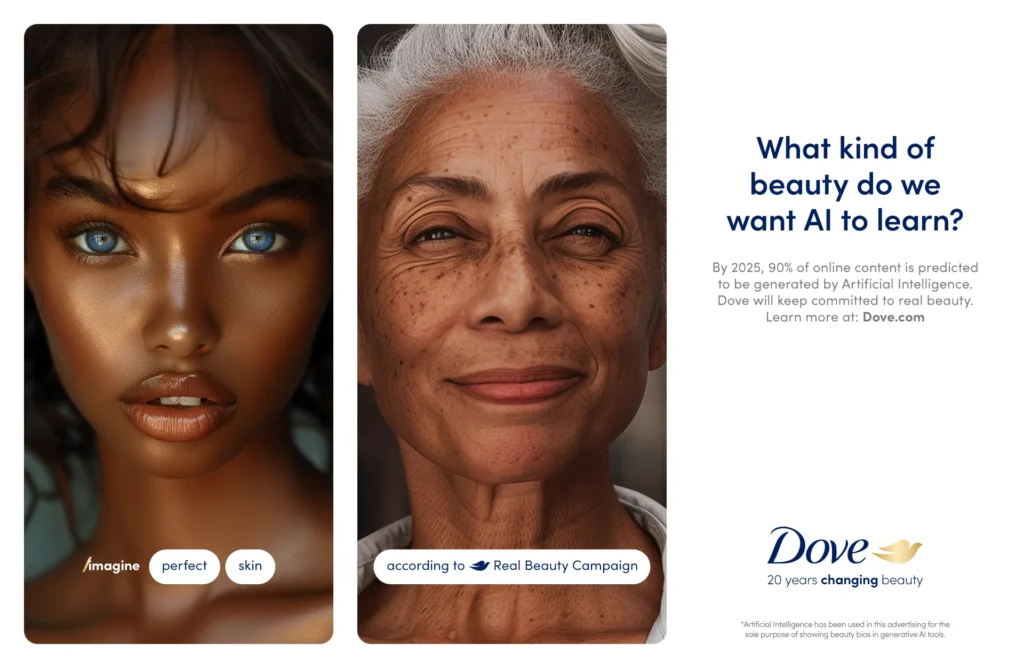
Every business now has access to AI tools for design, copywriting, analytics, and automation. What separates great brands from average ones is how strategically they apply these tools. AI can streamline your workflow, but it can’t replace intuition, creativity, or genuine customer understanding.
Attention Is Fractured
Social media platforms continue to splinter into micro-communities and private networks. Traditional ads don’t grab people the way they used to. Instead, audiences are finding brands through smaller influencers, niche newsletters, and recommendation loops. If your content doesn’t feel like part of the conversation, it gets skipped.
Trust Is the New Currency
Between deepfakes, misinformation, and an oversaturated market, consumers are cautious. They want to know who you are, where your products come from, and why your brand exists. Real photos, genuine reviews, and transparent messaging are what convert browsers into buyers. The brands that build human trust will own the digital future.
Key takeaway: Automation may save time, but authenticity builds empires.
The 5 Core Pillars of Marketing in 2026
1. Build Brand Trust Like It’s Your Product
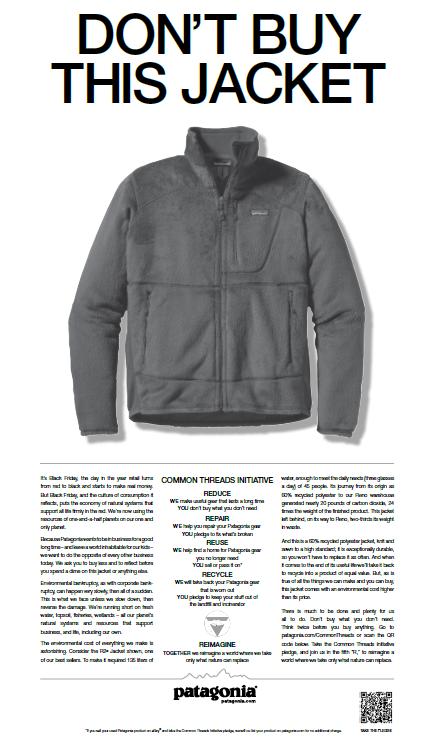
Trust isn’t just a campaign—it’s your business model. Customers in 2026 are immune to polished marketing jargon; they respond to personality and proof. Show the behind-the-scenes moments that make your business real: the team packing boxes, your design process, even your mistakes and lessons learned. Let your audience in on the journey.
If you’re a service provider, share your expertise freely. Write thoughtful blog posts, share industry insights, and host short educational videos. If you sell products, invest in high-quality, realistic photography and honest copywriting that explains what makes your product better. The more human and transparent your brand feels, the more magnetic it becomes.
2. Rethink Your Funnel as a Flywheel
The old marketing funnel—awareness, consideration, purchase—is officially outdated. In 2026, the smartest marketers treat customers like part of a continuous loop. Every purchase feeds back into awareness, retention, and advocacy. This is your flywheel.
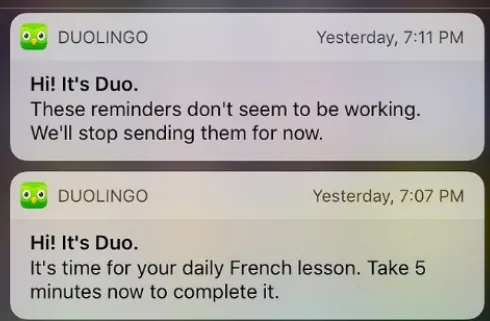
Automate your follow-ups. Build email flows that educate and delight. Send thank-you messages that feel personal. Create loyalty programs that reward engagement, not just spending. When people feel appreciated, they come back—and bring friends.
Your flywheel isn’t powered by ads; it’s powered by trust, storytelling, and service.
3. Optimize for Conversion, Not Just Traffic
More traffic doesn’t mean more sales—better conversion does. The average e-commerce conversion rate now hovers around 4.5%, and your goal should be to exceed it. That starts with clarity: every page on your site should make it obvious who you are, what you offer, and why you’re worth choosing.
Invest in better visuals. Clean design, cohesive color palettes, and strong photography immediately increase perceived trust. Audit your website speed and mobile experience—small performance tweaks can boost conversions by double digits. The easier and more enjoyable it is to buy from you, the less you’ll rely on huge ad budgets.
4. Go Omni-Channel Intelligently
Gone are the days of depending on a single platform. In 2026, smart businesses diversify—not by spreading themselves thin, but by connecting their ecosystems. Your audience might discover you on TikTok, compare you on Google, and buy from you through your site or Etsy. Your job is to make that path seamless.
Use TikTok and YouTube for storytelling and education. Use Google Ads or Pinterest for conversion intent. Collaborate with creators who already have your audience’s trust. Participate in your community—whether online or local—to make your brand part of real conversations.
The goal isn’t to be everywhere; it’s to be consistent everywhere that matters.

5. Create Sustainable Marketing Systems
A healthy business runs on repeatable systems, not constant hustle. Sustainability means designing processes that conserve your time, energy, and money. Use automation tools to handle repetitive tasks like follow-up emails, lead scoring, and campaign reporting. Build dashboards that track what matters—traffic, conversions, customer lifetime value—so you always know where to focus.
Equally important is emotional sustainability. Marketing burnout is real. Create a content cadence you can maintain year-round. Repurpose what works. Build a library of evergreen assets (like videos, templates, and guides) that can be reused in future campaigns. Growth should feel steady, not frantic.
Tactical Trends to Watch
- AI + Automation: Expect more predictive analytics, real-time creative optimization, and voice-assisted marketing tools. Learn to prompt and train your AI with your brand’s unique tone and data—it’ll make your automations feel more human.
- SEO & AI Search: As Google and AI search evolve, success will hinge on intent and expertise. Write for real questions, not just keywords. Prioritize clarity, depth, and consistent publishing.
- Creator Partnerships: Niche creators and micro-influencers continue to dominate. Their audiences are smaller but more loyal. Authenticity converts better than reach.
- Video & UGC: Video remains the top-performing content type. Embrace lo-fi, behind-the-scenes footage and customer-generated content. Don’t overproduce—just communicate.
- Privacy-First Analytics: With tighter data regulations, first-party data collection through CRMs, email, and loyalty programs will become non-negotiable. Customers notice when brands respect their privacy—and reward it.
Bonus Trend: Community Marketing
Forums, newsletters, Discord groups, and local collaborations are making a comeback. People crave belonging. Your brand can give it to them.
A Simple 2026 Marketing Plan Framework
Think of this as your roadmap to consistency:
- Clarify Your Brand Story and Voice
Define what you stand for, your tone, and your visual identity. Document it so your team stays consistent.
- Audit Your Foundation
Review your website, SEO, email systems, and CRM. Identify gaps and prioritize improvements that directly affect conversion or trust.
- Focus on 2–3 Primary Channels
Choose the marketing platforms that align most closely with your audience. Double down on what performs best rather than chasing every trend.
- Step 4: Set Measurable Quarterly Goals
Track metrics such as traffic, conversions, average order value, retention, or reviews. Treat data as your accountability partner.
- Build Your Content Engine
Plan monthly campaigns, educational content, and automated flows that nurture relationships even when you’re not online.
Pro tip: Document everything. Treat your marketing like a living system that learns and improves over time. When you treat your strategy as a process, not a one-off, results compound.
The Future Belongs to Real Brands
In 2026, marketing success isn’t about who shouts the loudest—it’s about who connects the deepest. The brands that win will be those that know who they are, what they stand for, and how they serve. They’ll combine the precision of data with the warmth of human creativity.
If your brand can make someone feel something genuine—whether it’s trust, excitement, or belonging—you’ve already outpaced the algorithm.
At SummitCloud, we help you build marketing systems that reflect your values and scale your growth, combining creative clarity with smart automation. Because the future of marketing isn’t robotic—it’s radically human.